
Table of Contents
Understanding PRP
Platelet Rich Plasma (PRP) therapy harnesses your body’s natural healing mechanisms. Platelets—best known for their role in blood clotting—also contain growth factors and signaling proteins that play important roles in tissue repair and regeneration. When tissue is injured, platelets are among the first responders, releasing these factors to initiate and coordinate the healing process.
PRP therapy concentrates platelets and their bioactive contents for therapeutic use. By delivering a high concentration of growth factors directly to damaged tissue, PRP aims to amplify your body’s natural repair response.
How It Works
How PRP Therapy Works
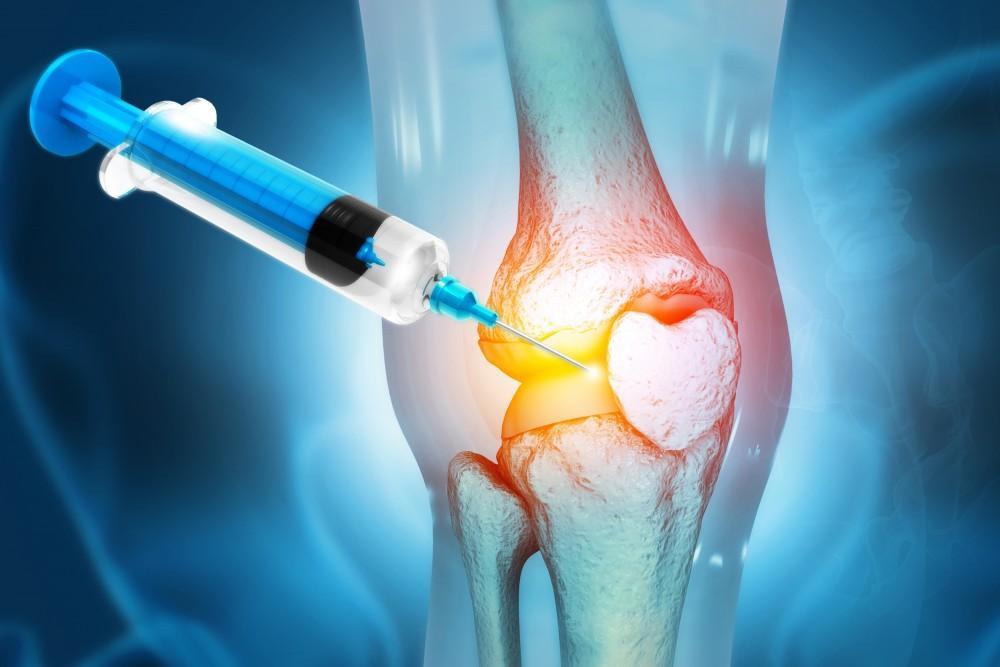
PRP therapy begins with drawing a blood sample. This sample is processed in a centrifuge to separate and concentrate the platelet-rich portion. The resulting PRP—containing several times the normal concentration of platelets—is then injected into the treatment area.
Because PRP comes entirely from your own blood, there are no concerns about rejection, allergic reactions, or disease transmission.
Where
Applications
PRP therapy has applications across various musculoskeletal conditions. Joint conditions including osteoarthritis may benefit from PRP’s growth factors and anti-inflammatory properties. Tendon injuries and tendinopathy represent another common application. Ligament injuries, muscle injuries, and support for post-surgical healing are other applications.
PRP may be used alone or in combination with stem cell therapy, depending on your specific condition and treatment goals.
Expectation
What to Expect
Coordination
Coordination of Care
Ready to Explore Your Options?
Consultation
consultations
We respect your privacy. Your information will never be shared.