
Table of Contents
Understanding Kidney Disease
The kidneys perform essential functions that most people never think about until problems develop. These fist-sized organs filter waste products from the blood, regulate fluid balance, maintain electrolyte levels, control blood pressure, and produce hormones that affect red blood cell production and bone health. When kidney function declines, these critical processes become compromised.
Chronic kidney disease affects millions of people and often develops gradually over years or decades. The kidneys have substantial reserve capacity—you can lose significant function before symptoms become apparent. By the time kidney disease is diagnosed, substantial damage may already have occurred.
In early stages, kidney disease may cause few noticeable symptoms. As function declines, patients may experience fatigue, changes in urination, swelling, nausea, and difficulty concentrating. In advanced stages, dialysis or kidney transplantation becomes necessary.
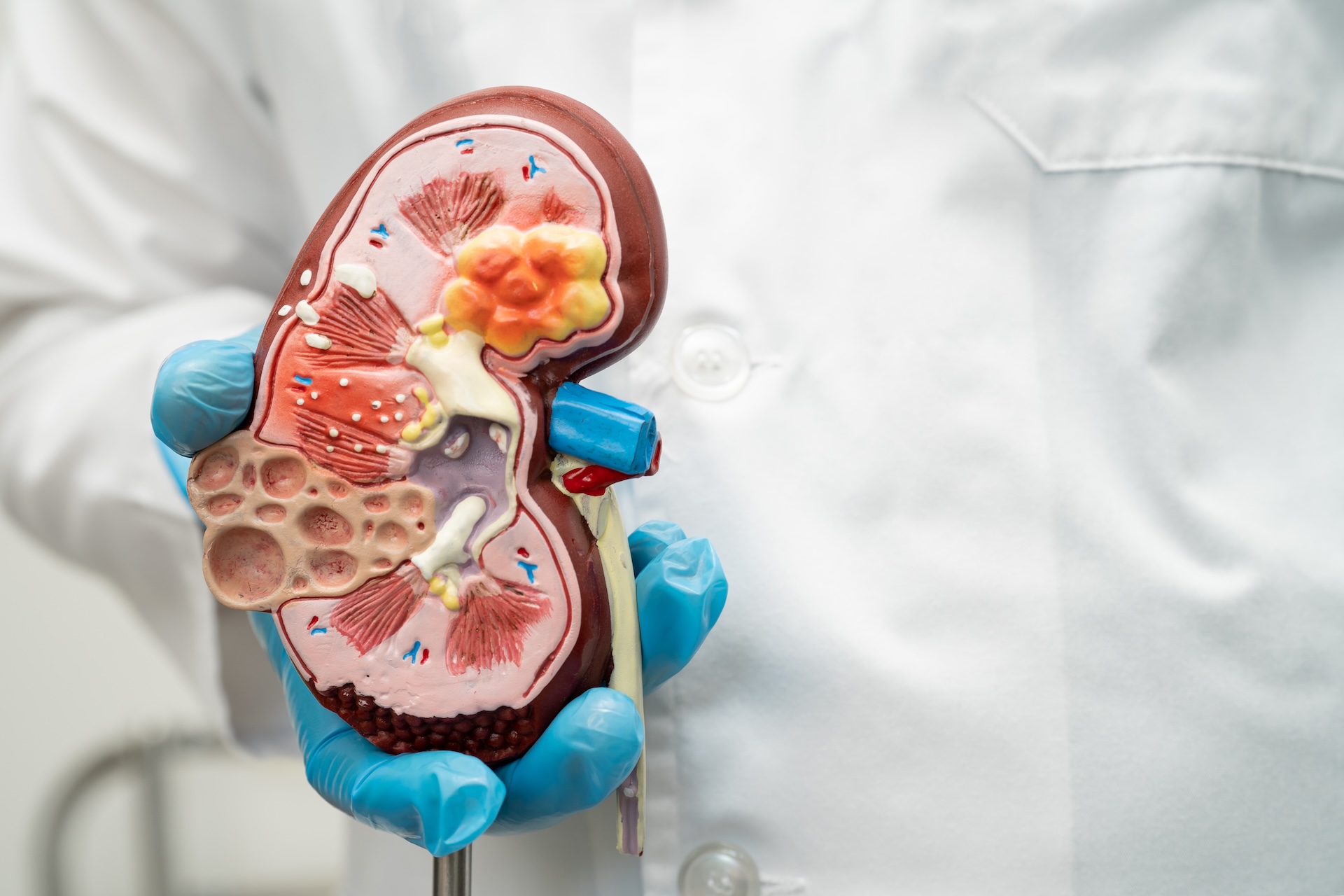
Symptoms
Living with Kidney Disease
Kidney disease affects quality of life in ways that extend beyond medical complications. The fatigue associated with CKD can be profound and debilitating. Dietary restrictions become necessary as kidney function declines. For patients on dialysis, treatment schedules dominate life.
The prospect of disease progression creates ongoing anxiety for many patients. The uncertainty about when or whether transplant might be needed adds to the stress of living with kidney disease.
Medicine
Regenerative Medicine Research
Research into regenerative approaches for kidney disease represents an active area of investigation. The anti-inflammatory and immunomodulatory properties of stem cells have generated particular interest for kidney diseases involving inflammation or autoimmune components.
At Vita Nova, we approach kidney applications with appropriate caution. Kidney disease is serious, requiring careful medical management.
Approach
Our Approach
Patients with kidney disease require comprehensive evaluation. We carefully review your diagnosis, current stage of CKD, and trajectory over time. Coordination with your nephrologist is essential. Any regenerative approach should complement appropriate nephrological care.
Expectations must be realistic. Regenerative therapy cannot restore destroyed kidney tissue to normal function or reverse established CKD.

Expectation
Conventional Treatment Limitations
Coordination
Coordination of Care
Coordination with your neurologist and other healthcare providers is essential. Regenerative therapy should complement appropriate medical management, not replace it. We encourage patients to discuss regenerative options with their neurological care team.
Ready to Explore Your Options?
Consultation
consultations
We respect your privacy. Your information will never be shared.