
Table of Contents
Living with Chronic Lung Disease
Chronic lung diseases—including chronic obstructive pulmonary disease (COPD), pulmonary fibrosis, interstitial lung disease, and other conditions affecting respiratory function—can profoundly impact quality of life. Breathing is fundamental to everything we do, and when lung function becomes compromised, even simple activities can become exhausting challenges.
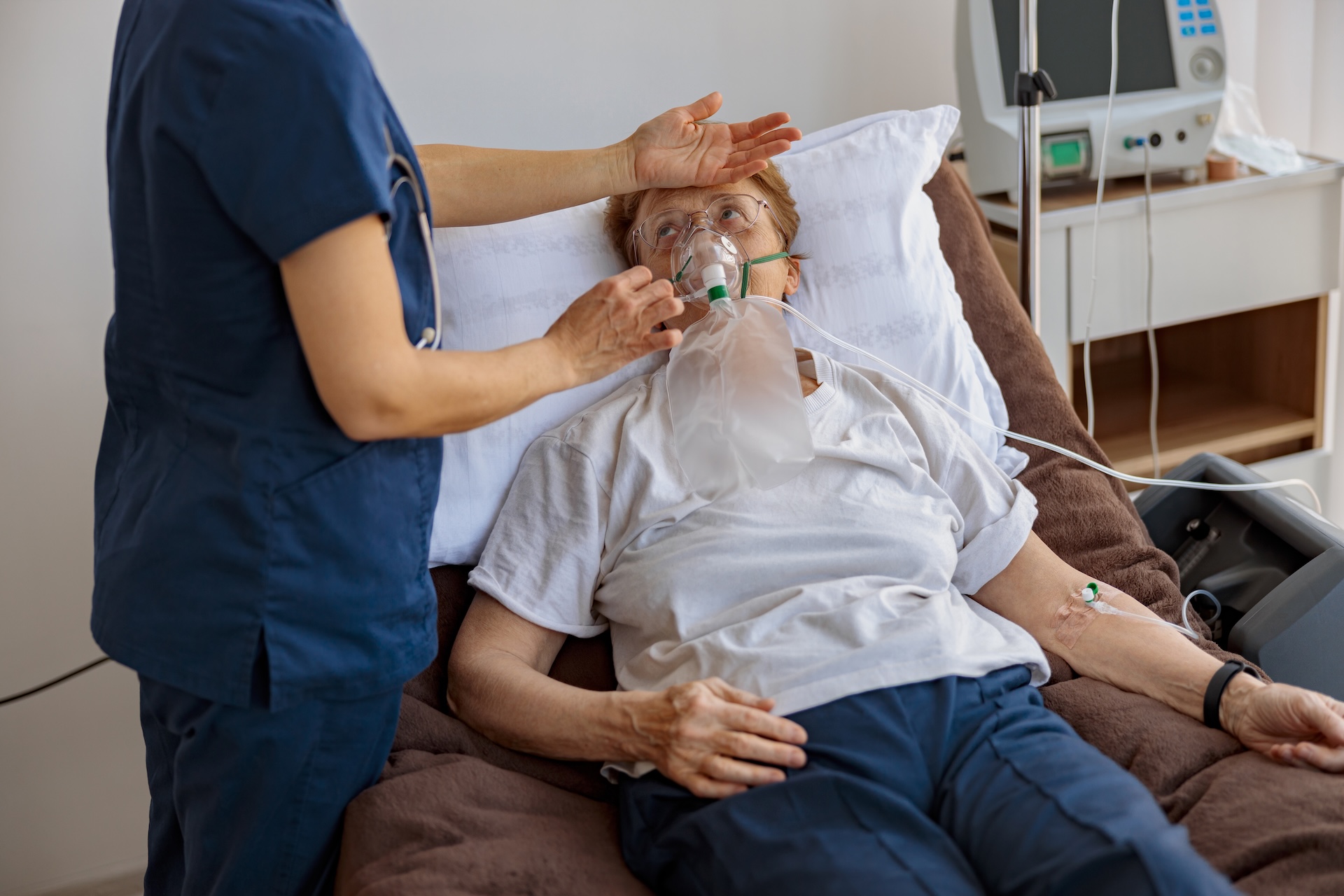
Patients with chronic lung disease often describe feeling short of breath during activities that once required no thought—walking to the mailbox, climbing a flight of stairs, carrying groceries. The sensation of not being able to get enough air creates anxiety that compounds the physical limitation.
The progression of lung disease often follows a pattern of gradually shrinking horizons. Activities are modified, then reduced, then eliminated. Travel becomes difficult. Social activities decline. The world becomes smaller as the disease advances.
The psychological impact of struggling to breathe cannot be overstated. Anxiety about breathing becomes a constant companion. Depression is common as limitations accumulate and independence erodes.
What
Understanding Lung Function and Disease
The lungs perform the essential function of gas exchange—bringing oxygen into the bloodstream while removing carbon dioxide. Lung diseases disrupt these functions in various ways. In COPD, airways become narrowed and inflamed. In pulmonary fibrosis, scar tissue replaces normal lung tissue.
Unlike some organs, the lungs have limited regenerative capacity. Significant damage to lung tissue tends to be permanent. This limited self-repair capacity is one reason lung diseases are so challenging to address and why interest in regenerative approaches has grown.
How
Regenerative Medicine and Lung Health
Research into regenerative approaches for lung conditions represents an active area of scientific investigation. Stem cells have demonstrated anti-inflammatory and immunomodulatory properties that may have relevance to certain lung conditions.
At Vita Nova, we approach lung conditions with appropriate caution and honesty. Stem cell therapy for lung disease remains investigational, and outcomes vary considerably between individuals. We don’t claim to restore lung function to normal or reverse established disease.
Approach
Our Approach to Lung Conditions
Patients with lung diseases require comprehensive evaluation. We carefully review your pulmonary diagnosis, disease history, current treatments, and response. Coordination with your pulmonologist is essential. Any regenerative approach should complement your existing lung care, not replace it.
During your consultation, we provide honest information about what current evidence supports, what remains uncertain, and what realistic expectations might look like for your specific situation.

Expect
Setting Realistic Expectations
Ready to Explore Your Options?
Take the First Step Toward Recovery
consultations
We respect your privacy. Your information will never be shared.